Preventing gambling addiction Strategies for a healthier mindset
Understanding Gambling Addiction
Gambling addiction, or compulsive gambling, is a serious mental health condition that affects individuals across various demographics. This addiction can lead to devastating consequences, such as financial ruin, strained relationships, and emotional distress. Understanding the signs and symptoms of gambling addiction is crucial for both individuals and their loved ones. For those wanting to explore options, our experts can help with sports betting sites reviews, which serve as essential first steps toward prevention.
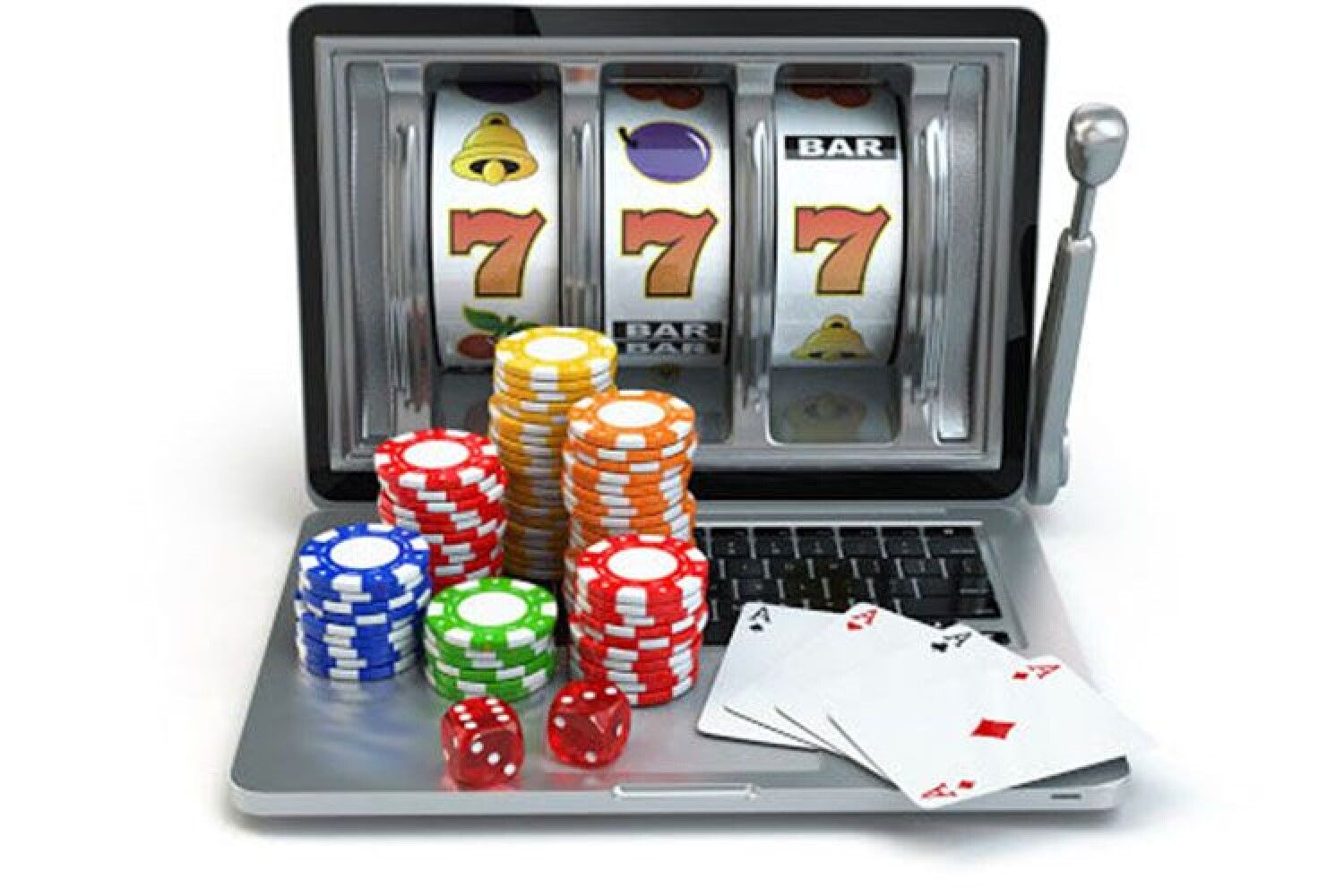
Moreover, the psychological aspects of gambling addiction often involve an urge to escape from stress or anxiety, as gambling can provide temporary relief. This cycle can reinforce the addiction, making it harder to break free. Identifying triggers, such as specific environments or social situations, can significantly help individuals understand their gambling habits and develop strategies to resist them.
Education is a vital component in combating gambling addiction. By increasing awareness about the risks and consequences, individuals can make informed choices regarding their gambling activities. Workshops, counseling, and community programs can provide support and resources, empowering individuals to take control of their behaviors and cultivate healthier habits.
Setting Limits and Boundaries
One of the most effective strategies for preventing gambling addiction is setting personal limits and boundaries. This includes establishing a strict budget for gambling activities and adhering to it, ensuring that gambling does not interfere with daily responsibilities or financial stability. By defining how much time and money one is willing to spend, individuals can minimize the risk of developing harmful gambling habits.
Additionally, having clear boundaries helps to create a healthy relationship with gambling. Individuals might designate specific times for gambling and avoid spontaneous visits to casinos or betting sites. By treating gambling as a form of entertainment rather than a necessity, it becomes easier to manage and reduces the likelihood of slipping into addictive patterns.
Incorporating technology can also aid in setting limits. Many online gambling platforms offer tools to help users monitor their activity, such as self-exclusion options and spending trackers. Utilizing these features can provide a safety net, enabling individuals to stay accountable and aware of their gambling behaviors. Through proactive measures, one can create a balanced approach to gambling that prioritizes well-being.
Finding Healthy Alternatives
To prevent gambling addiction, it’s essential to find healthier alternatives that fulfill the need for excitement and engagement. Engaging in hobbies, sports, or other leisure activities can provide the thrill often sought in gambling. Exploring new interests, whether it be painting, hiking, or learning a musical instrument, can serve as a positive outlet, channeling energy and creativity away from gambling.
Social connections play a pivotal role in fostering a healthier mindset. Surrounding oneself with supportive friends and family can encourage participation in activities that do not involve gambling. Community groups, classes, or clubs can also facilitate the discovery of new passions while providing a social network that reinforces positive behaviors and keeps individuals engaged.
Mindfulness practices, such as meditation and yoga, can also help cultivate a healthier mindset. These practices encourage self-awareness and stress reduction, making it easier to resist the temptation to gamble. By developing coping skills that focus on emotional regulation and relaxation, individuals can better manage urges and create a balanced life that prioritizes mental health.
Seeking Professional Help
When gambling behaviors become uncontrollable, seeking professional help can be a vital step in preventing addiction. Therapists who specialize in gambling addiction can provide personalized strategies and support. Cognitive Behavioral Therapy (CBT) is particularly effective, as it helps individuals recognize and change harmful thought patterns associated with gambling.
Support groups, such as Gamblers Anonymous, offer a community-based approach to recovery. These groups provide a safe space for individuals to share their experiences and challenges, fostering a sense of belonging and understanding. Engaging with others who have similar struggles can significantly enhance motivation and accountability in the recovery process.
Additionally, mental health professionals can assist individuals in addressing any underlying emotional or psychological issues contributing to their gambling behavior. By tackling these root causes, individuals can develop a more profound understanding of their relationship with gambling and learn healthier coping mechanisms to navigate life’s challenges.

About the Importance of Awareness and Resources
Understanding the importance of awareness and access to resources is paramount in preventing gambling addiction. Many individuals are unaware of the risks associated with gambling or the signs of addiction, emphasizing the need for educational initiatives. By spreading information about the impacts of gambling addiction, communities can foster an environment of support and prevention.
Various organizations and websites provide valuable resources for those seeking help or information about gambling addiction. These resources can include self-assessment tools, informative articles, and access to professional services. Being informed equips individuals with the knowledge needed to make healthier choices and seek help when necessary.
Ultimately, creating a culture that prioritizes mental health and well-being can significantly reduce the prevalence of gambling addiction. Through education, support, and proactive measures, individuals can cultivate a healthier mindset, making informed choices that promote happiness and fulfillment without the need for gambling. Empowering oneself and others through knowledge and community can lead to a more balanced life free from the grips of addiction.
Leave a Reply